


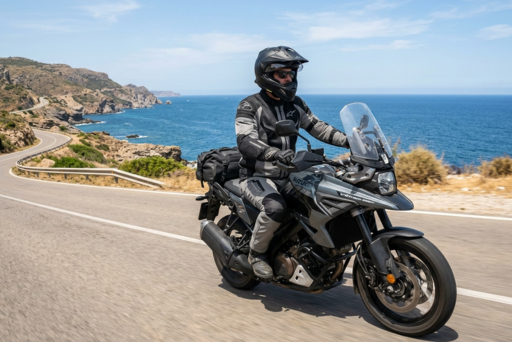
How to Choose Motorcycle Gear for Hot Weather Riding
Quick Answer
Choosing the right riding clothing for warm conditions involves finding a balance between protection, ventilation and comfort. Hot weather can make motorcycle riding uncomfortable, particularly when clothing traps heat or restricts airflow. Purpose-built riding apparel can help manage these challenges through ventilated panels, breathable materials, lightweight construction and protective features. The right combination can make everyday riding more comfortable without requiring riders to compromise on essential protection.
Key Takeaways
- Warm-weather riding requires a balance between airflow, comfort and protection.
- Ventilated panels can help improve airflow while riding.
- Breathable materials can make protective clothing more comfortable in hot conditions.
- Lightweight construction can reduce the feeling of bulk during everyday rides.
- Riders should still prioritise appropriate protective features when choosing summer riding apparel.
For riders who regularly travel during warmer months, choosing suitable motorcycle gear can make a noticeable difference to the riding experience. Heavy or poorly ventilated clothing can become uncomfortable when temperatures rise, especially during longer journeys or slow-moving traffic. Riding apparel designed with airflow, flexible materials and practical protection can provide a better balance for commuters, touring riders and anyone who spends considerable time on the road.
Why Is Hot Weather Riding Challenging?
Riding in warm conditions creates several challenges that are not as noticeable during cooler weather. Protective clothing needs to provide coverage and impact or abrasion protection, but poorly ventilated garments can also retain heat close to the body.
The problem can become more noticeable during urban riding. Frequent stops, traffic lights and slower speeds reduce natural airflow, making riders feel warmer than they might while travelling at higher speeds.
This does not mean riders should avoid protective clothing during summer. Instead, the focus should be on choosing apparel designed specifically for warmer conditions, with ventilation and materials that help improve comfort.
What Features Should Motorcycle Clothing Have for Hot Weather?
Ventilation is one of the most important features to consider. Strategically positioned mesh panels, vents or perforated sections can allow air to move through the garment while maintaining the coverage required for riding.
Material selection also matters. Fabrics that allow moisture to move away from the skin can make clothing feel more comfortable during warm rides. Flexible construction can further improve mobility, particularly when riders are frequently getting on and off the motorcycle.
Protection should remain part of the decision. Riders should look for garments that combine appropriate protective construction with ventilation rather than choosing ordinary summer clothing simply because it feels cooler.
How Does Breathable Motorcycle Clothing Improve Comfort?
One of the main concerns during summer riding is heat and moisture build-up. Breathable motorcycle clothing can help address this by allowing better airflow and reducing the feeling of trapped heat.
Ventilation can be particularly useful when riding for extended periods. Airflow through suitable panels can help prevent clothing from feeling excessively warm, while moisture-managing fabrics can improve comfort when temperatures are high.
However, breathability should not be considered separately from protection. A garment may feel cool but may not provide the protective features expected from dedicated riding apparel. Riders should consider ventilation, material construction, armour compatibility and overall design together.
The right choice also depends on riding conditions. A commuter travelling short distances through a city may have different requirements from someone completing a long-distance summer tour.
What Should You Look for in Summer Motorcycle Riding Gear?
Choosing suitable riding clothing involves considering several features rather than focusing on one specification.
Ventilation
Look for strategically placed vents or mesh sections that can encourage airflow while riding.
Breathable Materials
Materials that allow air movement and help manage moisture can make riding more comfortable in warm conditions.
Impact Protection
Knee, elbow, shoulder and back protection can provide additional protection depending on the garment and its configuration.
Abrasion Resistance
Protective riding apparel should be designed to provide greater resistance to abrasion than ordinary casual clothing.
Comfortable Fit
A suitable fit should allow natural movement without creating unnecessary bulk or restricting the rider’s position.
Practical Construction
Features such as secure closures, adjustable sections and useful pockets can improve everyday practicality.
Is Lightweight Motorcycle Clothing Still Protective?
Lightweight construction does not necessarily mean that a garment has to be unsuitable for protective riding. Modern motorcycle apparel can be designed to reduce unnecessary bulk while incorporating protective materials and compatible armour.
The important factor is the overall construction of the garment. Riders should review its certification, protective features and intended use rather than assuming that a lightweight product automatically offers either more or less protection.
Lightweight apparel can be particularly useful for commuters who wear riding clothing regularly. Reducing unnecessary weight and bulk can make it easier to wear protective equipment throughout the day.
How Can Riders Stay Comfortable During Long Summer Rides?
Planning can make warm-weather riding considerably more manageable. Riders should consider the expected temperature, journey length, traffic conditions and opportunities for breaks before setting out.
Hydration is also important during hot conditions. Regular breaks can give riders an opportunity to cool down, drink water and adjust their clothing if necessary.
The motorcycle itself can also influence comfort. Riding at higher speeds generally creates more airflow than travelling through congested urban traffic, so riders should consider how much time they will spend in slow-moving conditions.
Choosing ventilated riding apparel is only one part of staying comfortable. Appropriate hydration, sensible route planning and regular breaks can also help make longer summer journeys more manageable.
Who Should Consider Summer Motorcycle Gear?
Summer-focused riding apparel can benefit commuters, touring riders, weekend riders and anyone who regularly uses a motorcycle in warm conditions.
Daily commuters may appreciate clothing that provides protection without feeling excessively heavy during the journey. Touring riders can benefit from garments that provide airflow over longer distances, particularly when travelling through warmer regions.
Urban riders may also find ventilated apparel useful because traffic congestion can significantly reduce airflow. Riders who frequently switch between riding and walking can benefit from clothing that remains reasonably comfortable away from the motorcycle.
Ultimately, the ideal setup depends on the rider’s environment, journey length and personal comfort preferences.
What Is the Best Motorcycle Gear for Hot Weather?
For riders who regularly face high temperatures, motorcycle gear for hot weather should provide a practical combination of airflow, comfort and protective construction. Ventilated panels, breathable materials and a suitable fit can help reduce heat without requiring riders to abandon dedicated riding apparel.
The best choice depends on the type of riding involved. A short city commute may require different features from a full-day touring journey. Riders should consider ventilation, abrasion resistance, impact protection, certification and overall comfort when comparing options.
FAQs
1. Is motorcycle gear suitable for summer riding?
Yes. Summer-specific riding apparel can be designed with ventilation, breathable materials and lighter construction to improve comfort in warm conditions.
2. How can I stay cool while wearing motorcycle gear?
Choose ventilated clothing, breathable materials and a comfortable fit. Staying hydrated and taking regular breaks can also help during longer rides.
3. Is mesh motorcycle clothing safe?
Some mesh garments are designed specifically for motorcycle use and can incorporate protective construction and armour. Check the garment’s specifications and certification.
4. Should I wear motorcycle gear in hot weather?
Protective riding clothing remains important in warm conditions. Instead of avoiding protective equipment, riders can select apparel designed to provide better airflow and comfort.
5. Is lightweight motorcycle clothing comfortable for long rides?
It can be, particularly when the garment provides suitable ventilation, flexibility and protective features. Comfort will vary depending on the material and design.
For riders who regularly ride during warmer months, choosing lightweight protective motorcycle gear can help create a more comfortable riding experience without overlooking the importance of protection. Ventilation, breathable materials, suitable armour and abrasion-resistant construction can all contribute to a practical summer riding setup.
The right clothing should suit the rider’s climate, journey length and riding conditions. By considering airflow, fit, protection and overall construction together, riders can stay more comfortable during warm-weather journeys while continuing to use purpose-built motorcycle apparel.


